

INFRASTRUCTURE
One moment, there's electricity. The next, entire parts of Nigeria are thrown into darkness, and the familiar explanation appears: the national grid has collapsed.
But what exactly does that mean? Why does it keep happening, and why is fixing the problem so difficult?
Nigeria's national grid collapses when major disturbances disrupt the balance between electricity being generated and electricity being consumed, causing the system to become unstable. Problems such as power plant failures, transmission faults, ageing infrastructure, and sudden changes in electricity supply or demand can trigger these disturbances. When the imbalance becomes severe, generating units may automatically shut down to protect equipment, potentially causing widespread blackouts.
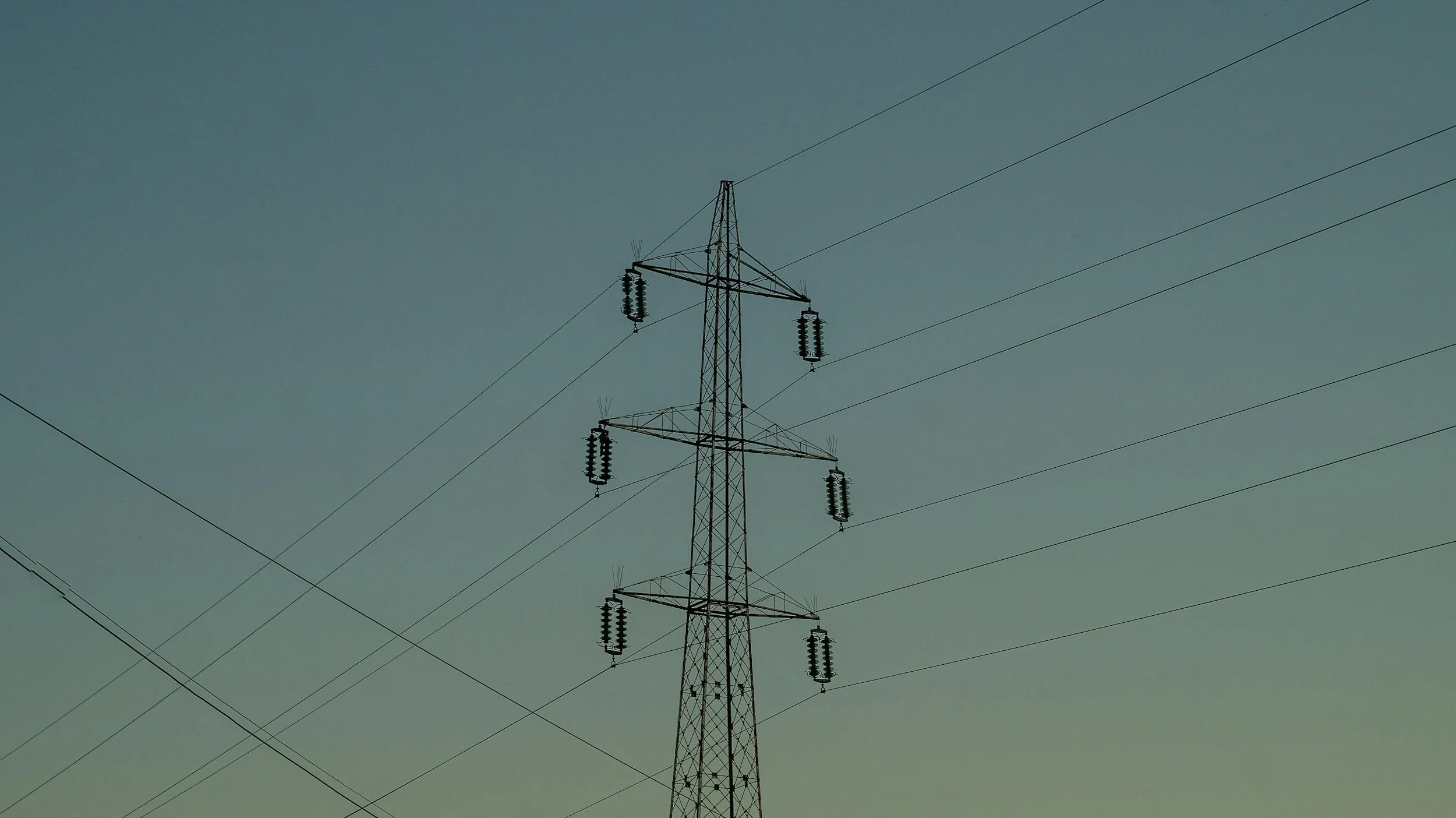
How Does Nigeria's National Grid Work?
Nigeria's national grid is a network of power stations, transmission lines, and substations that transport electricity across the country.
Electricity passes through three main stages:
Generation: Power plants produce electricity, primarily using gas and hydropower.
Transmission: High-voltage lines transport electricity over long distances. The Transmission Company of Nigeria (TCN) maintains the national transmission infrastructure.
Distribution: Electricity distribution companies (DisCos) deliver power to homes and businesses.
The Nigerian Independent System Operator (NISO) is responsible for coordinating grid operations and maintaining the balance between electricity supply and demand.
For the system to operate reliably, electricity generation and consumption must remain closely balanced.
Why Does the Grid Collapse?
The biggest challenge is maintaining that balance.
Nigeria's electricity grid operates at a standard frequency of 50 hertz. When electricity supply suddenly drops or demand changes sharply, the frequency can move outside safe operating limits.
Several problems can trigger this instability.
Power plant failures: If a generating unit suddenly shuts down, the grid can lose a significant amount of electricity.
Transmission faults: Damaged equipment, line failures, or problems at substations can interrupt electricity flows.
Weak infrastructure: Ageing equipment, inadequate investment, and limited backup capacity can make it harder for the system to absorb major disturbances.
Supply and demand imbalances: Sudden changes in the amount of electricity generated or taken from the grid can destabilise the system.
A disturbance in one part of the network can sometimes spread, causing other generating units to disconnect automatically.
Explained Simply: Think of a Generator
Imagine running several appliances on a small household generator.
If you suddenly connect equipment that exceeds its capacity, the generator may shut down to protect itself.
Something similar can happen on the national grid, although the system is much larger and more complicated.
When electricity supply and demand become severely unbalanced, protective systems can disconnect equipment to prevent damage.
If the disruption spreads across the network, it can lead to a partial or total grid collapse.
Does Every Power Outage Mean the Grid Has Collapsed?
No. This is an important distinction.
A blackout in your neighbourhood could result from a damaged transformer, a distribution fault, planned maintenance, or a local supply restriction.
A partial grid collapse affects sections of the interconnected network, while a total collapse causes a system-wide shutdown.
That means not every widespread power outage reported in Nigeria is necessarily a national grid collapse.
What Would Make Nigeria's Grid More Reliable?
Reducing grid collapses requires improvements across the electricity system.
This includes upgrading transmission infrastructure, maintaining power plants, strengthening real-time monitoring, and ensuring sufficient generating capacity is available to respond to sudden changes.
Better coordination between generation, transmission, and distribution operators is also important.
Investment in grid automation and alternative electricity sources, including decentralised power systems, can help improve overall electricity reliability.
Nigeria's grid collapses are not caused by one problem alone. They reflect challenges involving infrastructure, electricity generation, transmission, and system management. Preventing repeated failures requires maintaining a stable balance between supply and demand while strengthening the network's ability to withstand unexpected disruptions.