

ECONOMY & POLICY
A bag of rice, a basket of tomatoes, or even a simple meal now costs considerably more than many Nigerians remember paying a few years ago.
For households already struggling with rent, transportation, and electricity bills, rising food prices make everyday life increasingly expensive.
But why is food so costly in a country where millions of people work in agriculture?
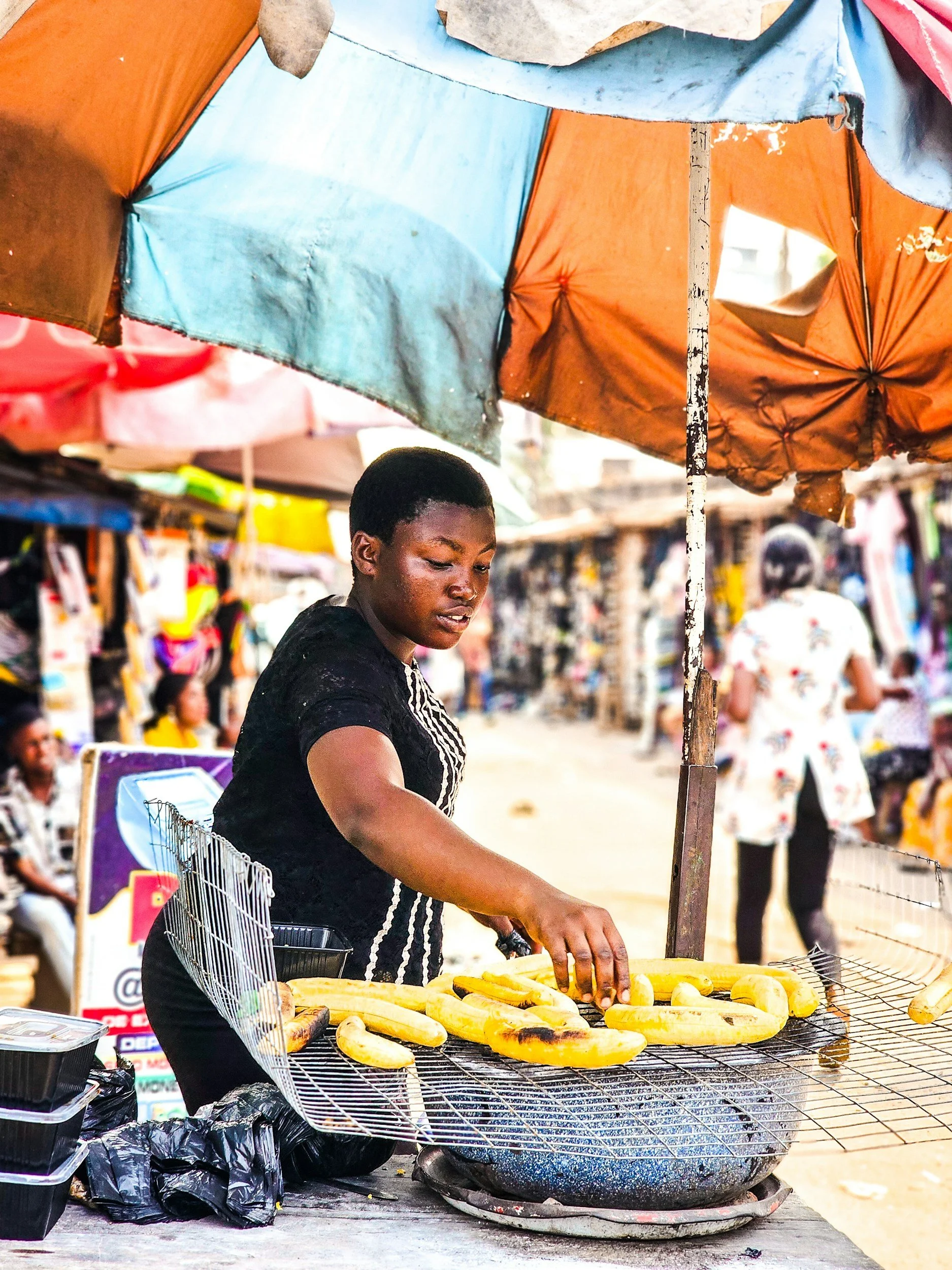
Food prices in Nigeria are high because of a combination of rising production costs, expensive transportation, insecurity in farming communities, unpredictable weather, and inflation. Farmers spend more on fertiliser, fuel, and equipment, while traders face higher costs moving food from farms to markets. When these expenses increase or food supplies are disrupted, consumers often end up paying more.
Why Is Producing Food Becoming More Expensive?
Growing food requires more than farmland and seeds.
Farmers need fertiliser, labour, machinery, fuel, and transportation. When these costs increase, producing crops such as rice, maize, and tomatoes becomes more expensive.
Nigeria's agricultural sector has also faced pressure from rising fertiliser prices. According to the Food and Agriculture Organization (FAO), higher input costs have constrained agricultural production in 2026.
When farmers face higher expenses, they may increase their selling prices or reduce production, affecting the amount of food available.
How Do Fuel Prices Affect Food Prices?
Much of the food consumed in Nigerian cities travels considerable distances before reaching markets.
Tomatoes grown in northern Nigeria, for example, may be transported hundreds of kilometres to consumers in Lagos or other southern cities.
Higher petrol and diesel prices increase transportation expenses, while poor roads and delays can make distribution even more costly.
Traders often pass some of these additional costs to consumers.
This means food prices can increase even when farmers haven't raised the prices they charge.
How Do Insecurity and Weather Affect Food Supply?
Insecurity has disrupted farming activities in several food-producing areas, including parts of Benue, Borno, Kaduna, Niger, and Zamfara states.
Some farmers struggle to access their land, while others reduce cultivation because of security threats.
Flooding, drought, and irregular rainfall can also damage crops and reduce harvests.
When less food reaches markets while demand remains strong, prices can rise.
Explained Simply: From Farm to Market
Imagine a farmer sells a basket of tomatoes for ₦10,000.
Before those tomatoes reach a market in Lagos, a trader must pay for transportation, loading, storage, and market expenses. Some tomatoes may also spoil during the journey.
If these additional costs increase, the final selling price could rise significantly—even though the original farm price hasn't changed.
This is a hypothetical example, not a current market quotation.
Why Don't Food Prices Fall When Inflation Slows?
One common misunderstanding is that lower inflation automatically means cheaper food.
Inflation measures how quickly prices are changing.
If food inflation falls from 20% to 10%, it generally means food prices are increasing more slowly, not necessarily falling.
For prices to decline overall, food inflation would need to turn negative. Individual food items, however, can become cheaper even when overall food inflation remains positive.
What Would Help Make Food More Affordable?
Improving food affordability requires addressing both production and distribution challenges.
Better security in farming communities, improved rural roads, more reliable electricity, affordable agricultural inputs, and better storage facilities could help reduce costs and food losses.
Increasing agricultural productivity would also make it easier to supply growing demand.
Nigeria's high food prices are not caused by one factor. They reflect problems across the entire food supply chain, from farms and transportation to markets and household purchasing power. Making food more affordable will require producing more efficiently, reducing distribution costs, and ensuring that food can move safely and reliably across the country.