

HOW NIGERIA WORKS
When a road in your neighbourhood is damaged, a market has overflowing rubbish, or streetlights stop working, who is supposed to fix the problem?
Many Nigerians look to their state governor or the Federal Government for answers. But some of these responsibilities actually fall within the duties of local government councils.
So, what exactly are local governments supposed to do, where do they get their money, and who holds them accountable?
Local governments are Nigeria's third tier of government, responsible for providing and maintaining important services within communities. Their constitutional functions include local roads, markets, motor parks, drainage, sanitation, and certain regulatory activities. They also participate with state governments in primary education, healthcare, and agricultural development. However, the services they actually deliver depend on funding, state laws, and how effectively individual councils operate.
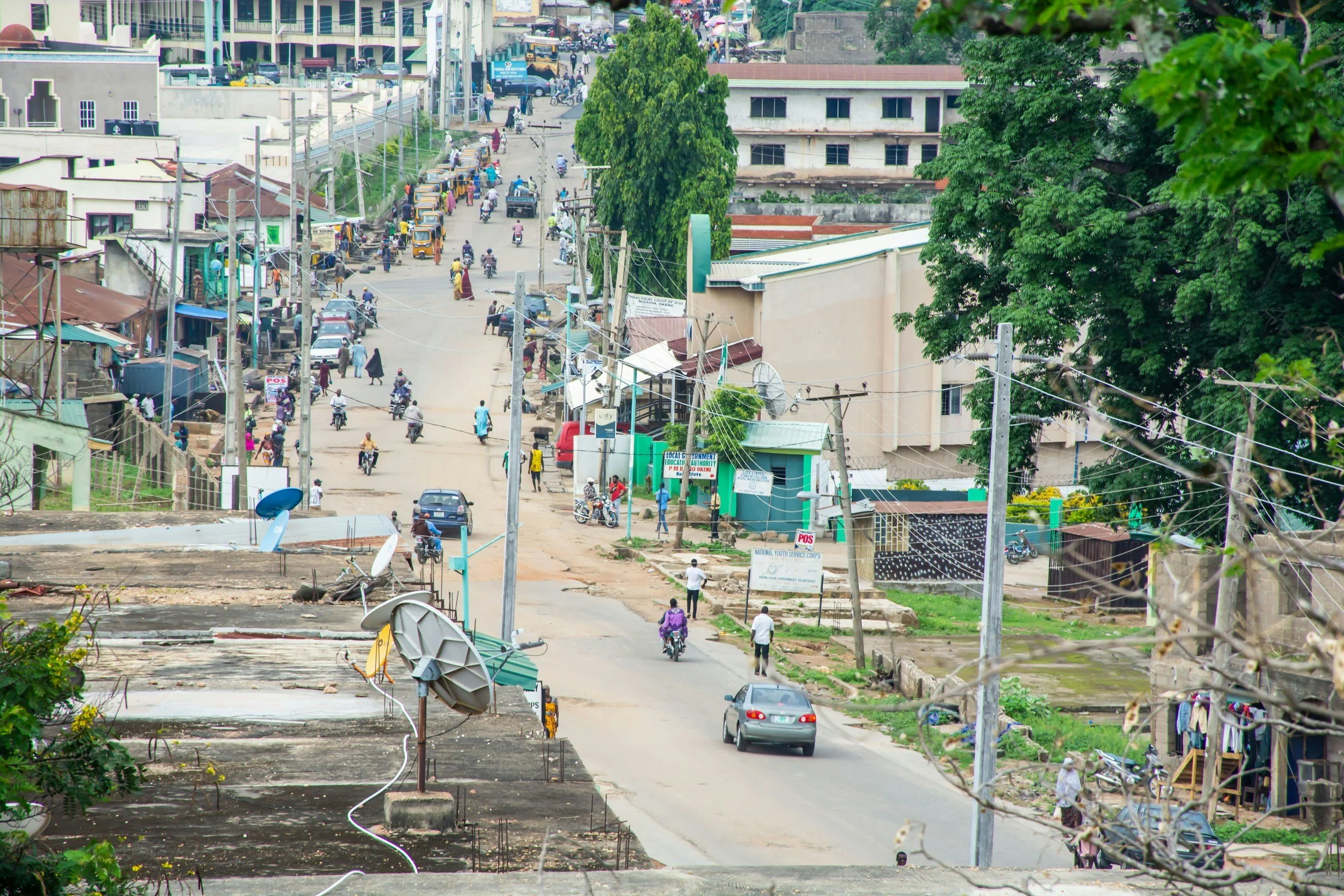
What Are Local Governments Responsible For?
The Fourth Schedule of Nigeria's 1999 Constitution outlines the main functions of local government councils.
These include:
Local roads and drainage: Constructing and maintaining certain roads, streets, streetlights, and drainage systems within their jurisdiction.
Markets and motor parks: Establishing, maintaining, and regulating public markets, motor parks, and related facilities.
Sanitation: Providing public conveniences and managing certain waste disposal and sanitation services.
Local regulation: Overseeing activities such as outdoor advertising, shops, kiosks, and some business licensing.
Local governments also participate alongside state governments in providing primary education, basic healthcare services, and agricultural development.
The exact division of responsibilities can vary depending on state laws.
Where Do Local Governments Get Their Money?
Local governments receive statutory allocations from public revenue and may also receive funding from their state governments.
They can generate additional revenue through approved local rates, fees, licences, and other charges.
However, control over these funds has been a longstanding issue.
In July 2024, Nigeria's Supreme Court ruled that allocations meant for democratically elected local government councils should be paid directly to them rather than controlled by state governments.
Implementation has faced delays. As of July 2026, reports indicated that many councils were still not receiving their allocations directly.
Explained Simply: A Broken Community Road
Imagine a residential street develops large potholes, making it difficult for residents to drive or walk safely.
If the road falls under the local government's responsibility, the council may be expected to maintain or repair it.
However, not every road belongs to a local government. Federal and state roads are handled through their respective authorities.
Knowing which government is responsible helps residents direct complaints to the appropriate office.
Who Runs a Local Government?
Democratically elected local government councils are generally led by chairpersons, supported by councillors representing different wards.
The chairperson oversees the council's administration, while councillors perform legislative and oversight functions under applicable state laws.
Local government elections are generally organised by State Independent Electoral Commissions.
These officials are expected to represent community interests and oversee the delivery of services within their areas.
Why Don't Local Governments Always Deliver These Services?
Having responsibilities under the Constitution doesn't automatically mean a council has the resources or capacity to fulfil them.
Limited funding autonomy, weak infrastructure, administrative challenges, and poor accountability can affect service delivery.
Some responsibilities also overlap with state government functions, making it difficult for residents to know which authority should act.
Greater transparency over local budgets, spending, and completed projects can help communities assess how their councils are performing.
Local governments are meant to be the level of government closest to everyday community needs. Their responsibilities cover many services Nigerians rely on, from local roads and markets to sanitation and aspects of education and healthcare. Understanding these responsibilities makes it easier to know who should be accountable when essential services are missing.