Treasury Bills, often called T-bills, are one of the most common ways the Nigerian government borrows money for short periods. Many people hear about them when bank deposit rates feel weak or when they want somewhere relatively stable to park cash for a few months. But T-bills are not the same as a savings account, and they are not suitable for every need. Understanding how they work can help you decide whether they belong in your mix of savings and investments.
Treasury Bills in Nigeria are short-term Federal Government instruments sold through the Central Bank of Nigeria, usually for 91, 182 or 364 days. They are sold below face value and redeemed at full value at maturity, so your return is the difference. They can suit savers who want a relatively straightforward place to keep money for a few months, but they are not a substitute for an emergency fund or a fully flexible savings account.
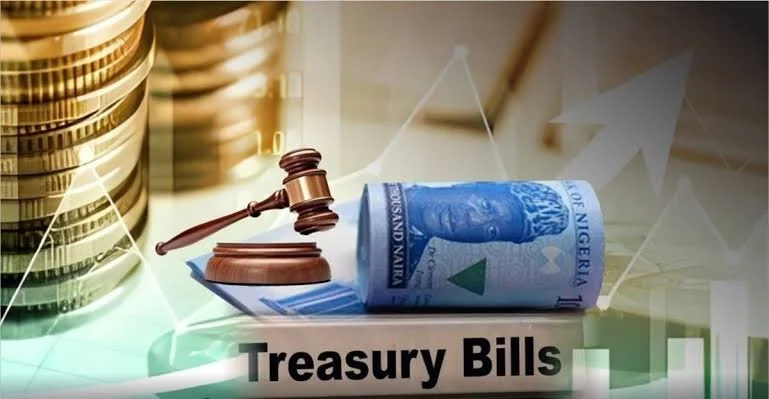
What a Treasury Bill really is
A Treasury Bill is a short-term debt instrument issued on behalf of the Federal Government of Nigeria and sold through the Central Bank of Nigeria. In simple terms, you are lending money to the government for a fixed period.
In Nigeria, Treasury Bills are typically issued for 91 days, 182 days or 364 days. Unlike a regular fixed deposit, they do not usually pay interest as a separate monthly or quarterly amount. Instead, they are sold at a discount and redeemed at full face value at maturity.
That means your return is the difference between the lower price you paid and the amount you receive when the bill matures. If you hold it until maturity, the cash flow is straightforward: you invest now and receive the full amount back at the end of the tenor.
How people buy them and what to expect
Treasury Bills are issued through periodic auctions, and many retail investors access them through banks or licensed market intermediaries. Your bank or broker will usually tell you what is available, the tenor on offer and the process for placing funds before the auction closes.
You can also buy or sell previously issued Treasury Bills in the secondary market instead of waiting for a fresh auction. That matters if you want an entry point between auction dates or if you may need to exit before maturity.
Even so, T-bills are best treated as money you can set aside for a defined short period. If you may need the cash suddenly for school fees, rent or medical bills, a plain savings or emergency fund account may be more appropriate because access is easier and more predictable.
Who they suit and the main risks to understand
Treasury Bills may suit savers who want short-term exposure to a government-backed instrument and can leave money untouched for a few months. They can also help people separate medium-priority savings from everyday spending money.
Their biggest appeal is usually stability and clarity of maturity. You know the tenor from the start, and if you hold to maturity, you know when your money is due back. For cautious savers, that can feel simpler than chasing riskier investments.
But they still carry practical risks. The first is inflation risk: if prices rise faster than your return, your purchasing power can still fall. The second is liquidity risk before maturity: if you sell early, the price available in the market may differ from what you expected. The third is suitability risk: locking away money that you may urgently need can create avoidable pressure.
So the right question is not whether T-bills are good or bad. It is whether they match your timeline, cash needs and alternatives. For short-term money with a clear target date, they can be useful. For emergency cash or long-term wealth building on their own, they are usually not enough.
Closing
For many Nigerians, Treasury Bills are easiest to understand when seen for what they are: a short-term lending arrangement to the government, not a magic high-return product. If your goal is to preserve money for a known date and you can leave it alone until maturity, they may be worth considering. If your priority is instant access or beating inflation over many years, you will probably need other options alongside them.
Treasury Bills are short-term, government-backed instruments that work on a discount basis, not like a normal savings account. They can be useful for planned short-term savings, but before buying, make sure the money is not one you may need in a hurry.