A credit report can quietly shape whether you get a loan, how fast it is approved and how much a lender trusts you. Many Nigerians only hear about it after a loan is delayed or rejected. But your credit report is not just for banks and loan apps. It is also a record you should understand for yourself, especially if you have ever borrowed, guaranteed a loan or had a repayment problem that was later settled.
A credit report in Nigeria is a record of your borrowing and repayment history used by lenders to assess risk. If the information is accurate and shows responsible repayment, it can support faster approvals. If it is wrong or shows unresolved defaults, it can delay or damage your chances, which is why checking and disputing errors early matters.
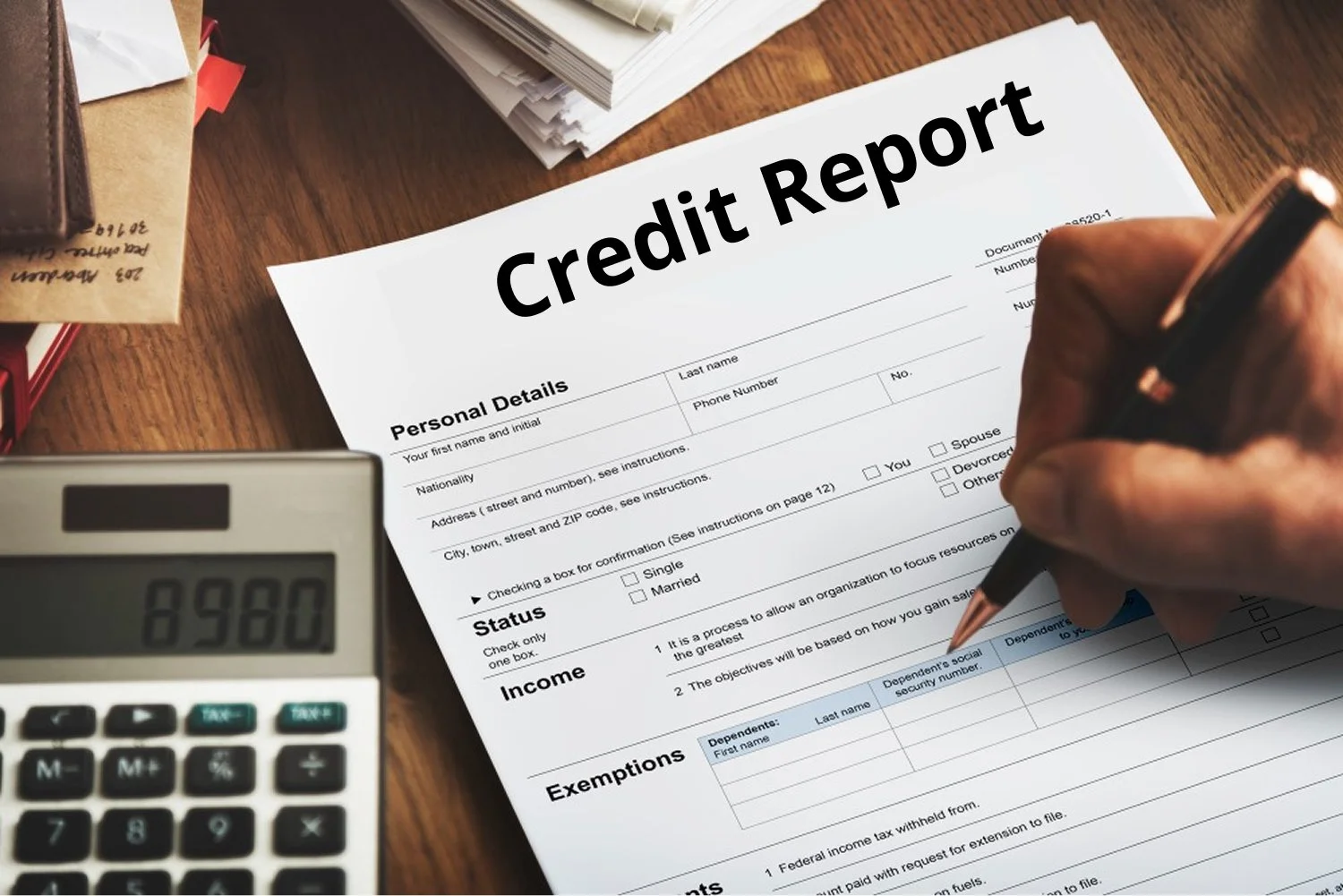
What a credit report is
A credit report is a record of your borrowing history and repayment behaviour. In Nigeria, lenders share credit information with credit bureaus, and lenders can check that information when you apply for a facility. The Central Bank of Nigeria also operates the Credit Risk Management System for credit monitoring in the banking system.
A report is not simply a list of debts. It can include your identifying details, existing and past loan accounts, repayment performance, overdue amounts, closed facilities and records of who has made inquiries about your credit. Depending on the bureau and the type of report, it may also show information such as dishonoured cheques, guarantor links or suits filed.
Why lenders care about it
When a lender reviews your application, it is trying to answer a simple question: if this person borrows again, how likely are they to repay on time? Your report helps the lender judge that risk. A strong record can support approval, while missed repayments, unresolved defaults or too many warning signs can make borrowing harder.
This is why a loan you forgot about, a restructured facility that was not properly updated or a debt you already cleared can still cause trouble if the record is wrong or incomplete. Even when a lender does not reject you outright, a poor report may lead to stricter terms, a lower amount or extra checks that slow everything down.
How to protect yourself from costly errors
The safest approach is to check your report before you urgently need credit. If you are planning to take a salary advance, car loan, mortgage or business facility, review your record early enough to spot problems. Look carefully at names, dates, account numbers, repayment status and any loan marked as outstanding.
If something is wrong, do not argue only at the point of rejection. Raise a formal dispute with the credit bureau and the lender that supplied the information. Keep useful documents such as repayment receipts, account statements, settlement letters and any message confirming closure of the facility. Clear records make it easier to correct an error.
If the issue involves a bank or another regulated lender and you are not getting traction, follow the institution’s complaint process first and keep your reference number. If the matter still remains unresolved, you can escalate through the appropriate regulatory complaint channel. The important thing is speed. A small reporting error can affect several future applications if it stays uncorrected.
Closing
A credit report is one of those financial records that can matter long before you see it. Treat it like part of your money life, not just something lenders use behind the scenes. The earlier you check it, the easier it is to fix problems before they block a loan you genuinely need.
Your credit report can affect access to loans, so do not wait for a rejection before paying attention to it. Check it early, keep proof when you repay or close a facility, and challenge mistakes quickly through the bureau and the lender involved.