Cheques are no longer the most common way to pay, but they still matter for rent, school fees, business payments and other transactions where people want a paper trail. The problem is that many Nigerians only meet cheques when something goes wrong: the cheque is delayed, returned unpaid or rejected by a bank. Understanding the basics can help you avoid embarrassment, extra charges and unnecessary disputes
A bank cheque in Nigeria is a payment instruction that must pass through bank clearing before the beneficiary can safely treat the money as final. If the drawer’s account has a problem, the details on the cheque are wrong or the cheque is otherwise invalid, the bank can return it unpaid
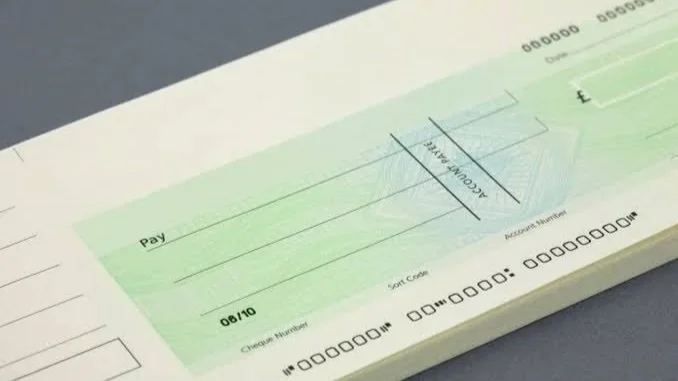
What a cheque actually does
A cheque is a written instruction from the account holder to a bank to pay money from that account to the person or organisation named on the cheque. In simple terms, it is not cash by itself. It only becomes money in the beneficiary’s account after the bank processes it and the payment clears.
That is why receiving a cheque is different from receiving an instant transfer. The beneficiary usually pays it into a bank account first, and the banks then handle the clearing process in the background. Under Nigeria’s cheque truncation system, the cheque is processed through its image and data rather than moving the paper instrument around the country.
How clearing works and when value is likely to arrive
When you deposit a cheque, your bank receives it as the presenting bank and sends the details into the clearing system. The paying bank, which holds the drawer’s account, then has a limited window to honour it or return it unpaid. That is why a cheque deposit often does not behave like an immediate credit even when you have a deposit slip.
In practice, timing depends on when the cheque is deposited and whether there is any issue on the account. The current rules provide a short clearing cycle, but customers should still treat a cheque payment as pending until the bank has fully applied value and the item is not returned. If you are relying on that money for an urgent payment, it is safer to confirm with your bank instead of spending against an expected cheque credit too early.
Why banks return cheques unpaid
A returned cheque does not always mean fraud. Sometimes the problem is simple: the account is not funded, the account is dormant or closed, the signature or mandate is irregular, or the amount in words does not match the amount in figures. A cheque can also fail if it is stale, post-dated, materially altered without proper confirmation, or affected by a stop-payment instruction.
For the drawer, an unpaid cheque can create both cost and reputation damage. Nigerian banking rules allow a charge where a cheque is returned because the account is unfunded. For the beneficiary, the practical lesson is to avoid treating a cheque as final payment until it has safely cleared.
What to do if there is a problem
If your cheque is returned, ask your bank for the exact reason. Banks are expected to state the reason for non-payment rather than leaving the customer to guess. That reason will help you know whether the fix is to fund the account, correct a fresh cheque, replace a stale cheque or resolve an account restriction.
If you believe a bank handled the cheque wrongly, start with the bank’s complaint channel and keep your deposit slip, cheque details and any messages you received. If the matter is not resolved properly, you can escalate through the Central Bank of Nigeria’s consumer complaint process. The key is to move quickly while the transaction record is still easy to trace.
Cheques still work in Nigeria, but they are not instant money. Most of the trouble around them comes from funding gaps, wrong details and misunderstanding the clearing process.
The safest way to think about a cheque is this: it is a promise that still needs bank confirmation. If you issue one, make sure the account is properly funded and the details are correct. If you receive one, allow for clearing and confirm the status before you commit the money elsewhere.
Cheques still work in Nigeria, but they are not instant money. Most of the trouble around them comes from funding gaps, wrong details and misunderstanding the clearing process.